
- News
- City News
- patna News
- IGIMS gears up to launchfree medication initiative
Trending
This story is from February 1, 2024
IGIMS gears up to launchfree medication initiative
IGIMS appoints 75 junior resident doctors to handle rush of patients after launching free medication program. NEET-qualified JRs will work in different emergencies, including cardiac, neuro, pulmo, cancer, and general. Hospital expects patient numbers to increase with free medication initiative, especially in neuro and cardiac cases like brain haemorrhage and heart attack.
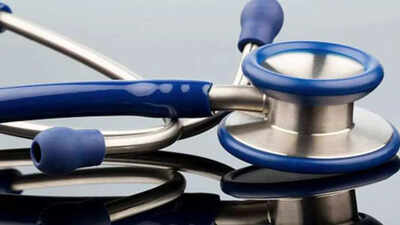
Image used for representative purpose only
The doctors will join on Thursday and undergo two days of training under the medical experts on how to handle an emergency patient immediately after his arrival and after being taken to the intensive care unit.

The medical superintendent of IGIMS Dr Manish Mandal said the hospital has sent a requisition of about 3,000 medicines, kits, and reagents to the Bihar Medical Services and Infrastructure Corporation Limited for keeping the stock available for uninterrupted supply to patients. The free medication programme at IGIMS is likely to begin in a week. The new initiative is likely to exert work pressure on its doctors and staff as a large number of patients, including those of financially weaker groups, would prefer to go for healthcare under the super specialist doctors.
“Free medication will, however, be available only for emergency patients and those admitted there and undergoing treatment for various diseases,” Mandal said, adding that free medication would, thus, come as a boon to people who could not afford to avail high-cost healthcare in private hospitals.
Patients seeking medical advice at OPDs would not be entitled to get free medicines.
“The new NEET-qualified JRs would mainly be posted with different emergencies — cardiac, neuro, pulmo, cancer, and general emergency, act under the direction of senior doctors and render their valuable role in saving precious lives,” he said.
The Indira Gandhi Institute of Medical Sciences being the only super specialty hospital of the state government with 37 departments, the hospital, on average, receives 5,000 patients every day from different parts of the state but the number is likely to shoot up soon after introducing the free medication initiative.
Of about 200 patients reaching the IGIMS emergency department every day, the larger numbers were of neuro and cardiac patients, mostly with a brain haemorrhage and heart attack.
End of Article
FOLLOW US ON SOCIAL MEDIA
Photostories

Hot Picks
TOP TRENDING
Popular Categories
Hot on the Web
Top Trends
Stock Market TodayBasit AliBrittany MahomesRavichandran AshwinBabar AzamKanpur Test Match RecordsUGC NET Result 2024Tirupati LadduIndia T20 WC SchedulePPF CalculatorBryonna Burrows Net WorthWomen T20 World Cup Points TableWomen T20 World Cup ScheduleIND vs PAK T20 WC MatchDiddyTop Management Colleges of IndiaLive Cricket Score
Trending Topics
GovindaNavratri Colours 2024Navratri WishesHappy Navratri 2024 WishesGandhi Jayanti WishesDevara CollectionGOAT OTT ReleaseGandhi Jayanti 2024Rajinikanth Health UpdateNavratri HistoryDevaraGovinda NewsDevara Movie ReviewHealthy RaitasSwatantrya Veer SavarkarColdplay India tour 2025Upcoming Smartphones In OctoberAmazon SaleSony Bravia 55 inch 4k Ultra HD TVWordle Answer
Living and entertainment
Latest News
The Amazing Spider-Man films starring Andrew Garfield now streaming for freeMahima Chaudhry reveals she begged Ajay Devgn and Prakash Jha to keep her near-fatal car accident secret: 'I feared industry boycott'Vijay's 'GOAT' gets an OTT release; official date announced!Navratri Day 1 colour: How to style the shade of OrangeManipur: Congress MP writes to Amit Shah for safe release of 2 'abducted Meitei youths'Qualifier Yash upsets second seed Manish at Fenesta OpenAquarius, Daily Horoscope Today, October 03, 2024: Romantic life may experience a few bumpsPopulation of Hindus & tribals declining in Jharkhand, says PM ModiChange Begins Here, as TOI shines a spotlight on hope and impactNasa switches off instrument on Voyager 2 spacecraft to save powerKTR reason for Naga-Samantha divorce, says Telangana minister; sparks rowVivek Ramaswamy to run for Ohio Governor? He says would 'consider' but ...Indian cinema has a rich legacy of storytelling: Rana DaggubatiAre 3 senior Karnataka mantris jockeying for chief minister's chair?Why record gold loan growth has RBI worriedIndian businesses view UK as key market for expansion: ReportKundali Bhagya actress Shalini Mahal pays homage to Gandhi Ji’s principles on his 155th birth anniversaryNavratri 2024: Essential bhog for all 9 avatars of Goddess Durga to make your pooja fruitful
Copyright © 2024 Bennett, Coleman & Co. Ltd. All rights reserved. For reprint rights: Times Syndication Service